
A PIECE BY NIK TURNER
Esports and SEND: Sometimes the Room Matters
One of the most interesting things we’ve seen as esports has grown within education is the connection some SEND learners make with these environments.
Esports isn’t going to engage every learner with SEND, and a gaming PC isn’t a magic solution to the challenges young people may face.
But sometimes the room matters.
A DIFFERENT KIND OF LEARNING ENVRIONMENT
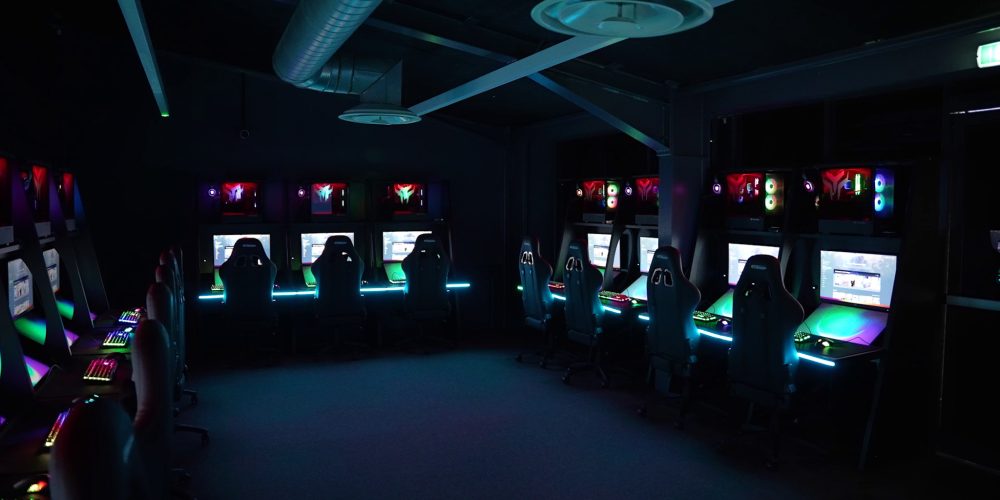
Walk into a classroom and most of us immediately understand what is expected. For some young people that same environment hasn’t always been associated with positive experiences. By nature, an esports facility feels different.
For those SEND learners into gaming, the technology feels immediately familiar. The environment is immersive. Activities have clear objectives and roles. There is often an immediate shared interest between the people in the room. For some learners, that can provide a valuable starting point for engagement. Conversations don’t always need to begin with “Tell me about yourself.”
It can simply begin with:
“What games do you play?”
GAMING IS THE HOOK
We’ve said for years that gaming can be the hook, but learning is the outcome. A student may initially walk through the door because they want to play. But esports naturally creates opportunities for communication, teamwork, problem-solving, leadership, organisation, creativity and digital skills.
And importantly, not everybody needs to be the player. Students can explore broadcasting, shoutcasting, production, event management, coaching, content creation, design, business and many other roles surrounding esports.
That variety can create different ways for learners to participate and find something in which they feel comfortable.
DESIGNING WITH LEARNERS IN MIND
This is also why the physical design of an esports facility matters. Clear teacher sightlines, accessible furniture, appropriate lighting, comfortable seating, breakout areas, good acoustics and spaces that can support both collaboration and individual activity should all be considered. Technology is only one part of the environment.
At Yoyotech, our experience working with education has increasingly influenced these decisions. We aren’t simply asking where the PCs fit.
We’re asking who is going to use the room and what do they need from it?
A PLACE TO BELONG?
There is another side to esports that shouldn’t be overlooked.
For some students, traditional sports teams, clubs and extracurricular activities simply aren’t appealing. Esports can provide another community. Representing the school or college, joining an enrichment club, helping broadcast a tournament or simply sharing an interest with other students can create a sense of belonging.
For a learner who has previously struggled to find their place within education, that can matter enormously. Giving these learners a space for this gives them something to own, and somewhere where they belong.
THE ROOM MATTERS
Every learner is different. Their needs are different. What engages one young person may have absolutely no impact on another. But we’ve seen enough through our work with schools and colleges to know that, for some learners, esports can open a door.
And that’s why we believe an esports facility should never be designed simply as somewhere to play games. It should be designed around the people who will use it, for them. Because sometimes the technology matters. Sometimes the activity matters.
And sometimes, the room matters.

Nik Turner
Nik Turner is Yoyotech's Head of Esports Education Strategy, pioneer and thought leader in the esports for education space in the UK, Chair of the Esports Trade Associations Education Committee and subject matter expert for Pearson.