
CLASSROOMS OF THE FUTURE
What The Latest Reforms Mean for Esports
Could the classroom of the future look very different from the classroom of today?
This week, the Government announced one of the biggest changes to secondary education in decades.
From 2028, young people aged 14 to 16 will be able to begin technical education alongside their core GCSE subjects, giving them earlier access to practical learning, employer engagement and industry-focused experiences.
The aim is simple: equip students with the technical skills, confidence and real-world experience needed for the jobs of tomorrow.
For schools, however, the announcement raises an important question.
Are our learning environments ready?
MOVING TOWARDS PRACTICAL COURSES
For many years, technical education has largely begun after the age of 16.
The Government’s proposals change that by bringing technical learning into Key Stage 4, allowing students to combine traditional academic subjects with practical, employer-informed education much earlier.
Although full details are still to emerge, the direction of travel is clear.
Students won’t simply be learning about technology.
They’ll be expected to learn through technology.
Project-based learning, collaboration, digital skills, creativity, communication and problem-solving are all expected to play a much greater role in preparing learners for future careers.
That requires more than a traditional ICT suite.
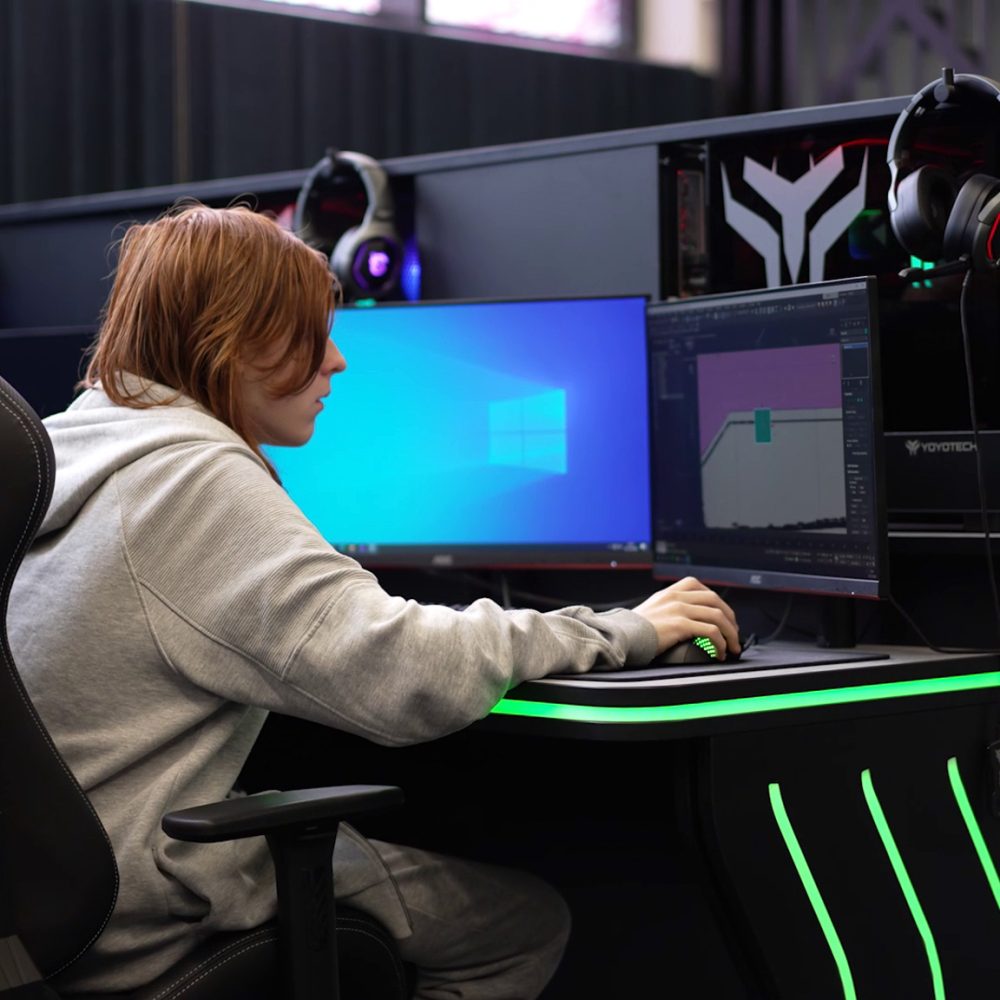
SO LEARNING ENVIRONMENTS MATTER
If schools are expected to deliver modern technical education, the spaces in which students learn become increasingly important.
Purpose-built environments encourage collaboration, creativity and engagement in ways that traditional classrooms often struggle to achieve.
Whether learners are producing digital media, broadcasting content, analysing data, programming software or working as part of project teams, they benefit from spaces that are designed around modern technology rather than simply containing it.
Increasingly, schools are recognising that investment in learning environments is an investment in educational outcomes.
More than just esports
At Yoyotech, we are best known for designing and delivering esports facilities for schools, colleges and universities.
However, the same environments support far more than competitive gaming.
Many of our education partners use these spaces for:
- Digital media production
- Broadcasting and streaming
- Computer science
- Creative technologies
- Artificial intelligence projects
- Team-based problem solving
- Employer engagement activities
- Cross-curricular STEM learning
As education evolves, these flexible technology-rich environments are becoming valuable teaching spaces across multiple subject areas.

Nik Turner
Nik Turner is Yoyotech's Head of Esports Education Strategy, pioneer and thought leader in the esports for education space in the UK, Chair of the Esports Trade Associations Education Committee and subject matter expert for Pearson.